Stefan Monro on What Makes Los Angeles Industrial Design Unique
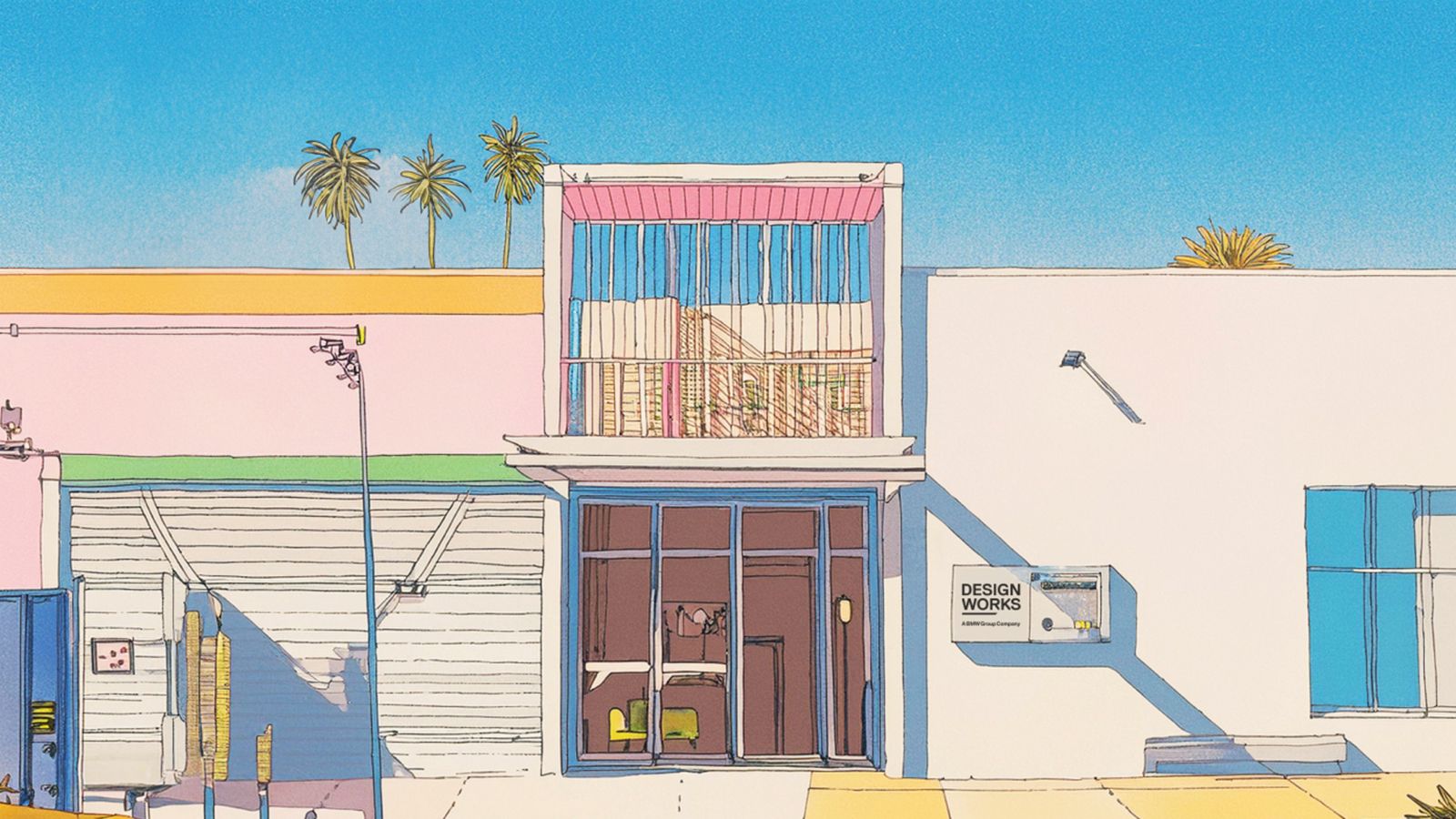
At Designworks, industrial design is anything but traditional. Whether it’s shaping the future of mobility, designing lifestyle products, or building tools for emerging startups, the studio brings a uniquely cross-disciplinary approach rooted in both creative exploration and technical excellence. With deep ties to the BMW Group and a diverse roster of third-party clients, Designworks operates at the intersection of industries—shaping digital and physical experiences that draw on the diversity and bold spirit of our California roots, while always keeping the improvement of users’ lives at the forefront.
In this interview, we speak with Stefan Monro, a Lead Industrial Designer here at our LA studio, to share his approach to designing in this city we call home. He shares how the LA’s energy, diversity, and constant state of experimentation influence his process.
How has working in automotive design influenced the way you approach industrial design?
I originally studied yacht design as part of a transportation design course, which led me to an internship at Rolls-Royce in the UK. That experience opened my eyes to the luxury side of automotive design—how it can go far beyond everyday vehicles. After graduating, I joined Rolls-Royce full-time, working on the special Coachbuild Design program where clients commission one-of-a-kind cars. My design was selected for an interior, which brought me to the Rolls-Royce studio in Munich. There, I contributed to cars like the Ghost, Cullinan, Phantom, and even spent time with MINI design, which was a totally different but fun challenge. Later, I joined FAW Group in China, focusing more on UI design, before transitioning to industrial design at Designworks.
Working across so many automotive brands has deeply shaped how I approach industrial design. In this role, we get briefed by a wide range of clients—from airlines to wheelchair manufacturers to EV startups—and I’ve learned to quickly pick up on each brand’s values and story. Automotive design taught me how to translate those abstract brand qualities into physical form, which is a skill I now use to lead fast-paced design sprints that deliver work that not only looks good but feels authentic to the brand.
What do you find most compelling about the industrial design scene in Los Angeles today? Is there anything inspiring you can share that you’ve seen lately?
Having lived in the UK, Munich, and a few other places around the world, I can honestly say that Los Angeles feels like living ten years in the future. On any given day, you see self-driving cars on the road, delivery robots on the sidewalk, and some new micro-mobility startup launching the next scooter or urban transport solution. It’s easy to forget that most cities around the world aren’t operating at this pace. Being in LA means you’re working and designing in this experimental bubble where new ideas are constantly being tested in real time—and that’s incredibly energizing.
What really stands out to me is the fearless spirit of startups and studios here. Whether it’s in transportation, sustainability, or digital experiences, there’s this willingness to break convention and take risks. That mindset influences the design scene—it pushes you to be bolder, to try things that might not work yet but feel worth exploring. Being surrounded by industries like film, architecture, and tech only fuels that. Just walking around the city or going to a gallery, you’re constantly reminded that everyone here is trying to push the boundaries, and it makes you want to do the same.
And then there’s the environment itself—LA has 300 days of sun a year, and that completely changes how you experience design. Everything, from a delivery robot to an EV charger, looks cinematic in this light. You’ll pass by a product on the street, and the way it sits against a dramatic backdrop—the ocean, the desert, the mountains—makes it feel iconic, even if it’s just a prototype. That kind of everyday visual inspiration is something really unique to LA, and it constantly feeds into how I think about form, material, and storytelling in design.
Designworks LA brings together world-class designers from around the globe—alongside talent born and raised in Los Angeles. In your view, how does the city itself influence the way we design or think about design? What role does LA play in our creative process?
There are only a handful of places in the world that carry a unique kind of energy—and LA is definitely one of them. It’s hard to put into words, but once you start living and working here, you feel this invisible buzz running through the city. It’s like the culture itself sparks something in creative people—it pushes you to be bolder, to chase more radical ideas. The pace is fast, the mindset is forward-looking, and you can’t help but get caught up in that momentum. You feel less afraid to try new things. Startups and creative ventures come and go constantly, and that cycle fosters a kind of freedom: if something doesn’t work, try something else. That mindset really opens the door for designers to take risks and explore ideas that don’t necessarily fit into conventional categories.
I’ve also noticed that LA acts as a kind of beta testing ground for new ideas. If something resonates here—whether it’s a mobility concept, a lifestyle trend, or a new product—it has real potential to succeed globally. That makes it an exciting place to design from, because you’re creating for a hyper-diverse and hyper-expressive audience that often sets the tone for what’s next.
People in LA live very fluid, outdoor-focused lives where work and play blend together. Wellness, self-expression, and environment all carry a lot of weight—and that changes how you design. You start to think not just about a product’s function, but how it fits into someone’s broader way of living. And with LA’s unique geography—deserts, beaches, snow-capped mountains, urban sprawl—you end up designing for diversity, for people who might ski in the morning and surf in the afternoon. The microclimates alone are wild—you can be in 100-degree heat in the valley and then cool and breezy on the coast just miles away. That variability becomes part of the design challenge and the creative opportunity.
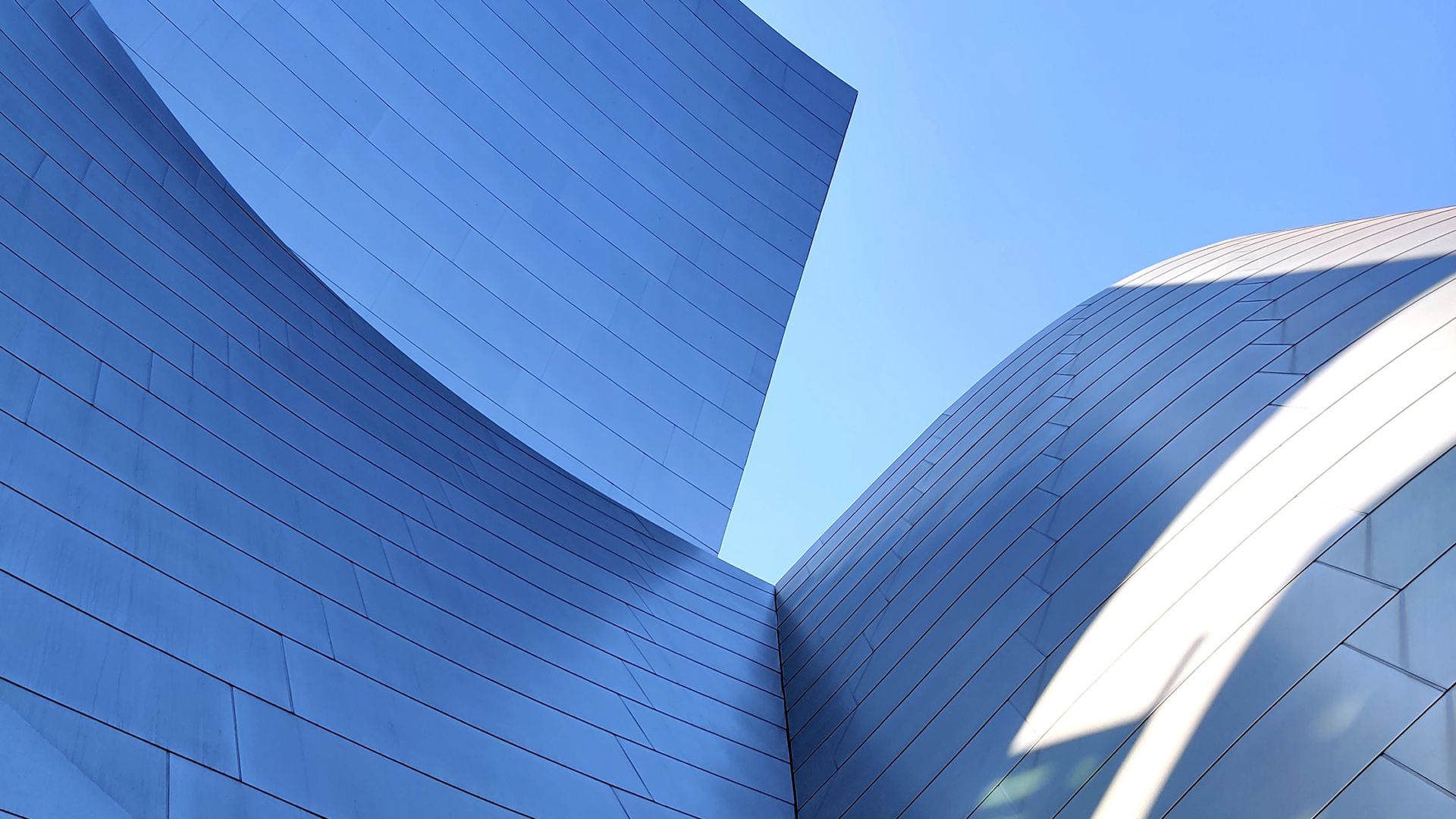 Walt Disney Concert Hall, Photo by Stefan Monro
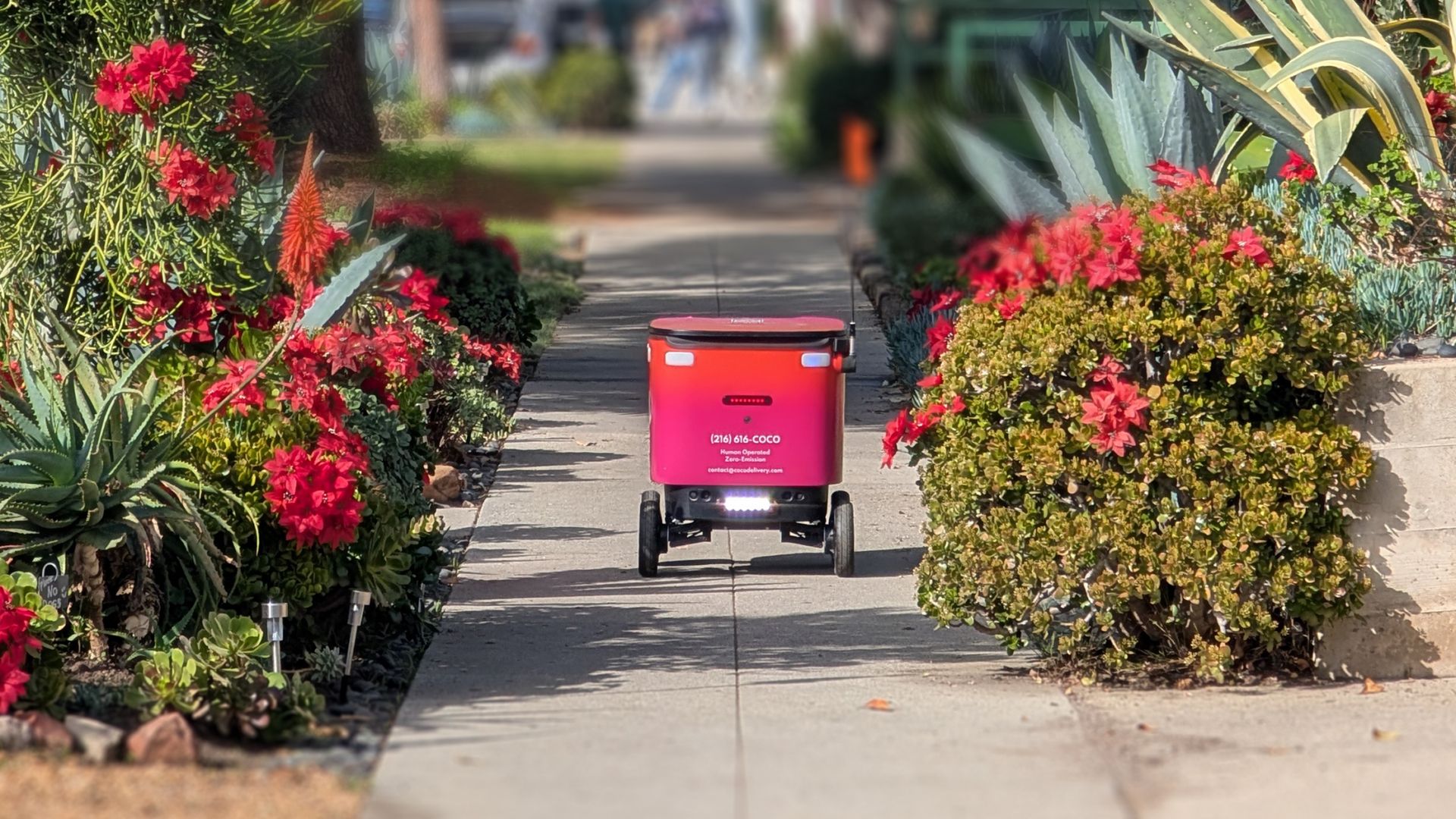 Delivery Robot on the Streets of Los Angeles, Photo by Stefan Monro
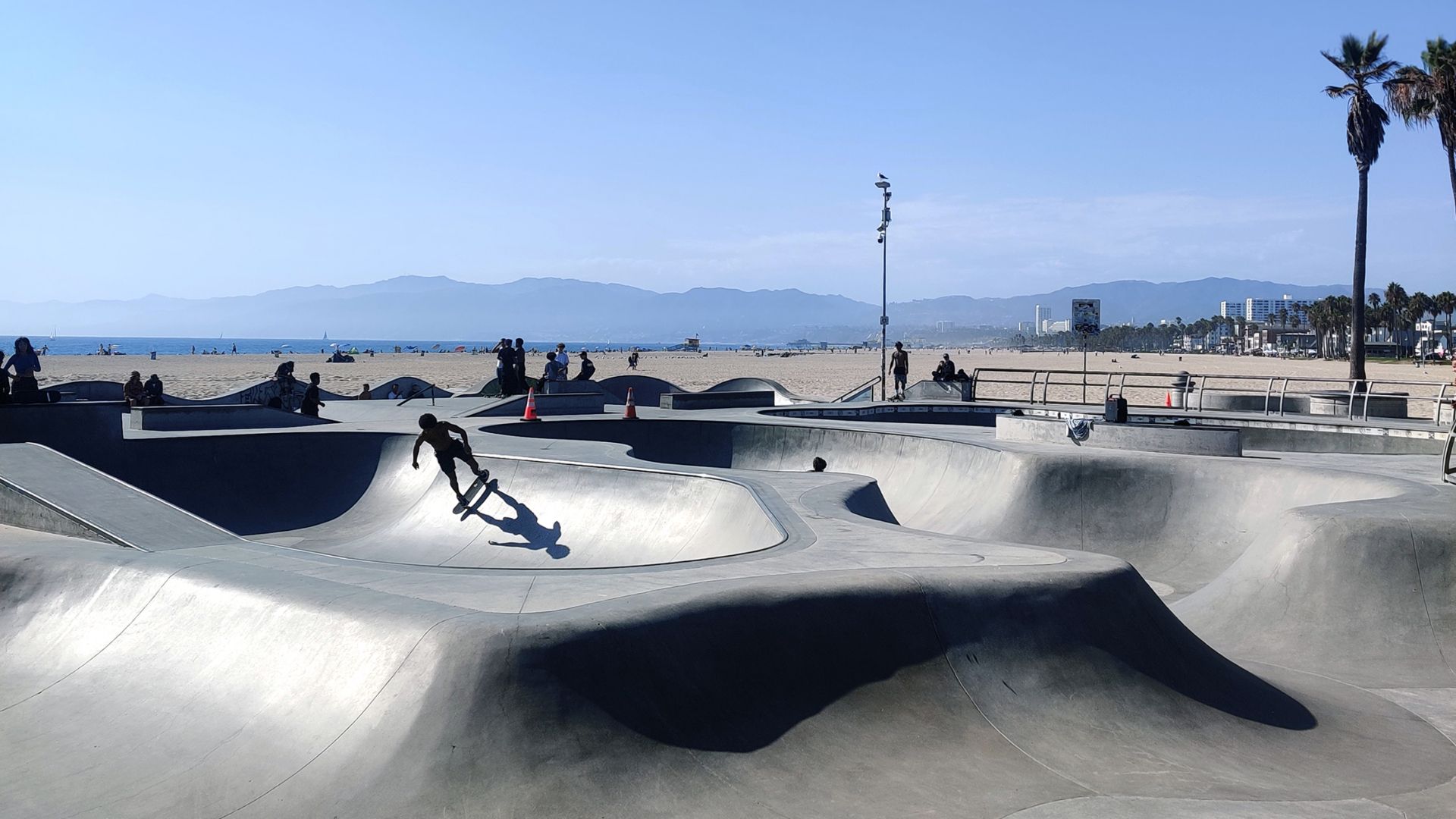 Venice Skate Park, Photo by Stefan Monro
 Will Rogers Beach, Photo by Stefan Monro
 Long Beach International Gateway, Photo by Stefan Monro
How does collaboration with other disciplines—like UX, CMF, or strategy—shape the way you design physical products at Designworks LA?
I think I bring a slightly unique perspective to this question because I work across more than one department at Designworks. I have a background in UI/UX from the automotive side, so while my main role is in industrial design, I also occasionally jump into the UI/UX team. I’ve led projects in both spaces, which I think is one of my key strengths—it allows me to speak the same technical language across disciplines. So when I’m working with the UX team, there’s no need to translate or slow down. I understand their tools, their workflow, and their way of thinking because I’ve done it myself.
That kind of fluidity really shapes how I design physical products. I’m not just thinking about the object itself, but about how it fits into the full experience—what the UX team will need down the line, what assets I should pass on, what views or interactions need to be supported. I try to design in a way that’s easy for others to build on. In that sense, I see my role as a kind of bridge—translating ideas into designs that can evolve across departments. And when it comes to CMF, that collaboration is absolutely essential. In many of the programs we work on, the material or color strategy is just as important—if not more—than the physical form. Having our CMF experts right here in the studio makes a huge difference. Instead of scheduling meetings or sharing samples virtually, we can literally lay out materials on the desk and work through decisions in real time. That kind of close collaboration speeds everything up and makes the work stronger.
Why do you think clients choose Designworks as their industrial design agency? What advantage does our LA location bring to the work we do?
I’ll admit—I’m a bit of a fanboy. When I was at university studying design, I used to save Pinterest boards and moodboards full of Designworks projects. It was one of the few studios we looked up to that wasn’t just doing incredible vehicle design, but also working on boats, aircraft, consumer tech—you name it. That kind of versatility and quality makes a lasting impression. So when someone says, “Designworks did this,” you already expect a certain level of excellence. It becomes a benchmark for the rest of the industry.
Our location brings a real advantage. LA is not only a major global hub—connected to international markets via LAX—but it also sits right in the middle of a forward-thinking, experimental ecosystem. You’ve got startups, mobility pioneers, tech firms, artists, craftspeople, and engineers all in one place. Clients come here because they know they’ll find everything they need to bring a product to life—whether that’s design strategy, industrial design, or the creative energy that LA naturally provides.
Looking ahead, what role do you think Los Angeles will play in the future of industrial design globally?
I think we’re entering a period of de-globalization. We’re seeing countries like the U.S. working to bring design, manufacturing, and innovation back within their own borders. And in that context, Los Angeles is incredibly well-positioned. It’s already globally recognized as a hub for creative and forward-thinking design, and it has all the ingredients—talent, infrastructure, and industry connections—to lead a more localized, end-to-end design ecosystem in the U.S.
At the same time, LA is right at the forefront of another major transformation: the integration of AI into the design process. The U.S. is a clear leader in AI development, and California—especially the LA area—is playing a central role in exploring how AI can be used creatively. At Designworks, we have the amazing opportunity to experiment. We’ve had early access to emerging tools and have been building new workflows that are helping redefine what industrial design looks like for the next few decades.
Beyond that, LA’s cross-industry nature gives it a unique edge. We’re not just working with mobility companies—we’re collaborating with architecture firms, entertainment, and other adjacent industries. That kind of overlap is shaping a new model of what a design agency can be. In LA, we’re not limited by traditional definitions of industrial design. The city encourages us to work in parallel with other creative worlds, and I think that’s going to be a big part of how the future of design evolves—not just here, but globally.
Words by Stefan Monro, Lead Industrial Designer, Designworks LA
Stefan’s career spans automotive, industrial and digital design, giving him a broad perspective on how products take shape and how people experience them. Within the BMW Group, he has worked with brands such as Rolls-Royce and MINI, developing a design approach that blends technical understanding with craft, clarity and intent.
He spent more than five years designing interiors and Bespoke projects for Rolls-Royce in Goodwood, UK and Munich, Germany, where he developed a strong appreciation for detail, craftsmanship and building meaningful relationships with clients. These experiences continue to influence the way he considers materials, form and the small touches that define a premium experience. Stefan has also worked for major Chinese automotive brands on new vehicles for the Chinese and European markets. His work across interiors, user interfaces and animation has given him an understanding of global expectations and the rapidly shifting landscape of mobility. This combination of physical and digital design informs his hybrid design perspective.
Since joining Designworks in 2023, Stefan has led projects across aviation, industrial design and user interface systems, while also contributing to forward-looking automotive concepts. He approaches each challenge with curiosity and focus, helping clients explore new directions and bring ambitious ideas closer to reality.
Interview by Heidi Tse, Visual Communications Intern, Designworks LA
Heidi is a student at New York University, studying Integrated Design and Media. She brings a hybrid background in engineering and creative storytelling to support strategic communication efforts at Designworks
Produced by Desmond Chua, Visual Communications Intern, Designworks LA
Desmond studies Landscape Architecture and Design at the University of California, Davis. He explores how spatial experience, storytelling, and design strategy intersect to shape physical worlds that inspire connection and wellbeing.
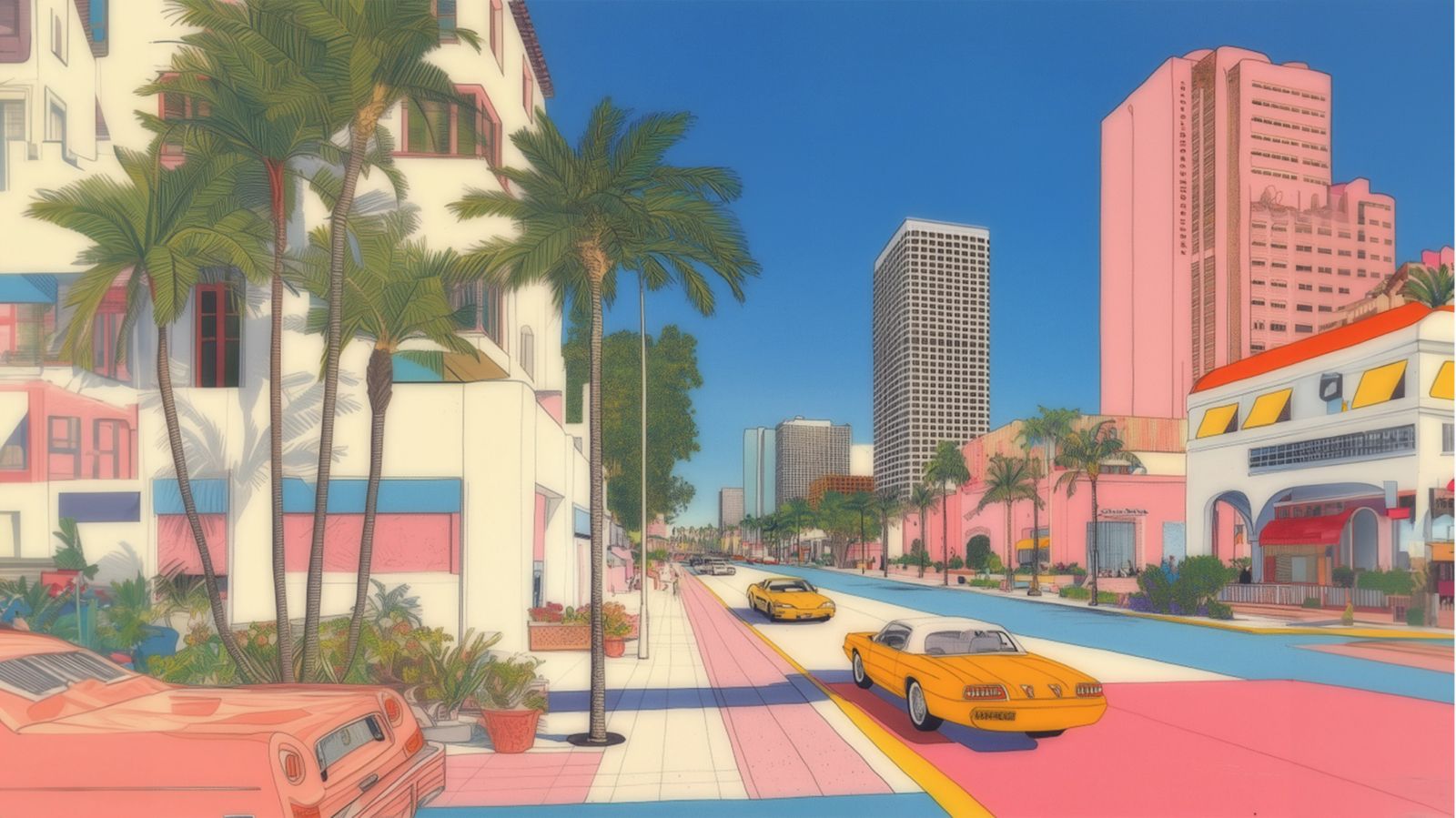
Images by Jiawei Xu, AI Strategist, Designworks Munich & Stefan Monro, Lead Industrial Designer, Designworks LA