Designing for Real Life: How an App Design Agency Builds Meaningful Interaction
At Designworks, interaction design is at the heart of how we blend digital and physical worlds. Whether we’re shaping an app interface or crafting a connected mobility experience, our goal is always the same: to design intuitive, meaningful interactions that feel distinctly true to the brand.
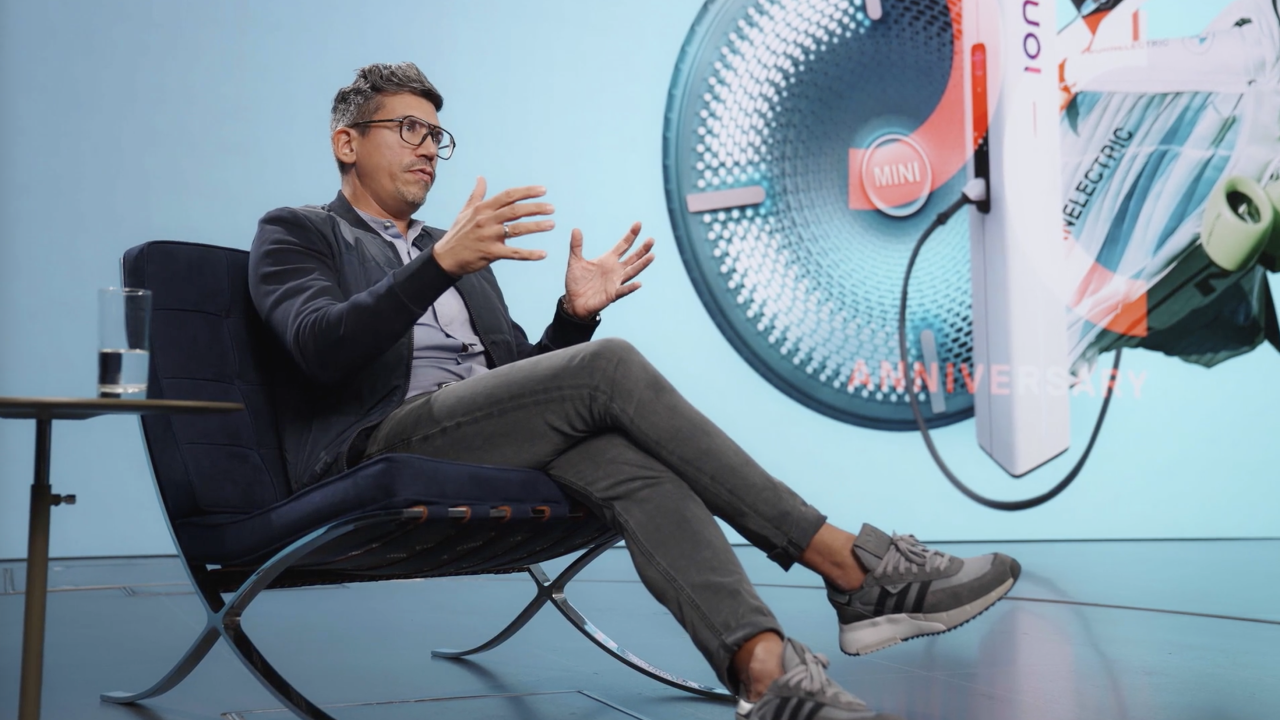
To explore what that looks like in action, we sat down with Charles Drueco, Creative Director of Interaction Design at our Los Angeles studio, for a conversation about the evolving role of app design, designing for real-world complexity, and what it takes to build trust through technology.
What first drew you to interaction design, and what continues to inspire you about working in this field?
Growing up, I was always fascinated by the intersection of art, design, and technology. My dad is an architect, so I got to see firsthand how his designs could transport people—whether that meant moving them into a different space, a different mood, or even a different mindset. For example, how a room can help you focus and get work done, versus one that’s meant for relaxing. That idea—that design can feel a certain way and actually move people emotionally or mentally—really stuck with me.
I was also really into technology. I remember getting my first Apple computer back in the pre-2000s era. It was fascinating to see how people interacted with those devices—and how the ones with better interfaces made a bigger, more positive impact. That was my first glimpse into how design could serve as a bridge between people and technology.
Over time, I realized that good design—especially interaction design—can simplify things that are naturally complex. When you add that thoughtful design layer to technology, you bring a sense of humanity to the experience. And sometimes, that one small, intuitive interaction can make a huge difference in someone’s day.
What continues to inspire me about this field is the same thing that first drew me in: the challenge of solving real-world problems with empathy. If we can understand where someone is, where they want to be, and what they’re trying to accomplish, then we can design experiences that truly support them. Looking ahead, I’m excited by the opportunity to keep shaping everyday interactions with technology in ways that are thoughtful, helpful, and human.
Today, I really want to dive into app design specifically. In your experience, what is good app design? are there any examples—either your own work or others—that really stand out as best-in-class app design?
At our app design agency, we believe a great app goes a step further—it instills a sense of trust and, one of my favorite words in interface design, a sense of delight.. One recent example that stood out to me was the Philz Coffee app. Ordering through it felt surprisingly human and personal. If you’ve ever been in one of their stores, you’ll recognize how well their brand translates into the digital experience. The app shows a photo of the barista making your drink, just like how they call out your order in-store—it’s a small touch, but it makes the experience feel really authentic and alive. The imagery is playful, the interface feels whimsical and easy to use, and even though all you’re doing is ordering coffee and maybe a breakfast item, the experience is so enjoyable that the app earned a spot on my home screen.
Another example—probably an obvious one—is Uber. It’s incredibly seamless. They’ve managed to merge ride-hailing and food delivery into one app, which is no small feat. Behind the scenes, there’s a lot going on: routing, traffic data, coordinating drivers and restaurants—and yet the experience feels simple and frictionless. You can use it whether you’re at home, at work, or on the go. I think sometimes people overlook apps like Uber because they’re so ubiquitous, but they’re actually doing an amazing job of solving complex problems in a very user-friendly way.
Designworks is best known for its mobility expertise, but we’ve also developed a strong presence as an app design agency. How does our background in mobility inform the way we design apps—and what makes our approach different?
Our roots in mobility give us a real-world lens that deeply informs the way we approach app design. As an app design agency grounded in mobility, we think beyond just screens—how people move through environments, both physically and mentally. It’s not just about where someone is, but what mode they’re in, what mindset they’re transitioning through, and what context they’re navigating. That sensitivity to context is something that really sets us apart.
You can see this influence in the way we build user flows, plan for edge cases, and prioritize accessibility. Mobility forces you to design for unpredictability—small spaces, changing conditions, shifting attention spans. Whether it’s a car, a boat, an airline cabin, or a bus, the people using those experiences come from diverse backgrounds and often have very different needs. So we design experiences that are flexible, scalable, and resilient—ones that can meet people where they are.
We’ve worked across the spectrum—from tight mobility spaces like motorcycles and cars, to more public, shared spaces—and those constraints challenge our designs in the best possible way. They pressure-test our ideas and force us to create solutions that are thoughtful, durable, and responsive to real-life use.
Our mobility experience also trains us to think holistically across physical and digital touchpoints. Take a car experience, for example: from checking your vehicle status on your phone, to approaching the car, to sitting in the driver’s seat and interacting with the interface—it’s all one journey. The digital and physical need to feel connected, intentional, and seamless. That systems thinking is baked into how we work.
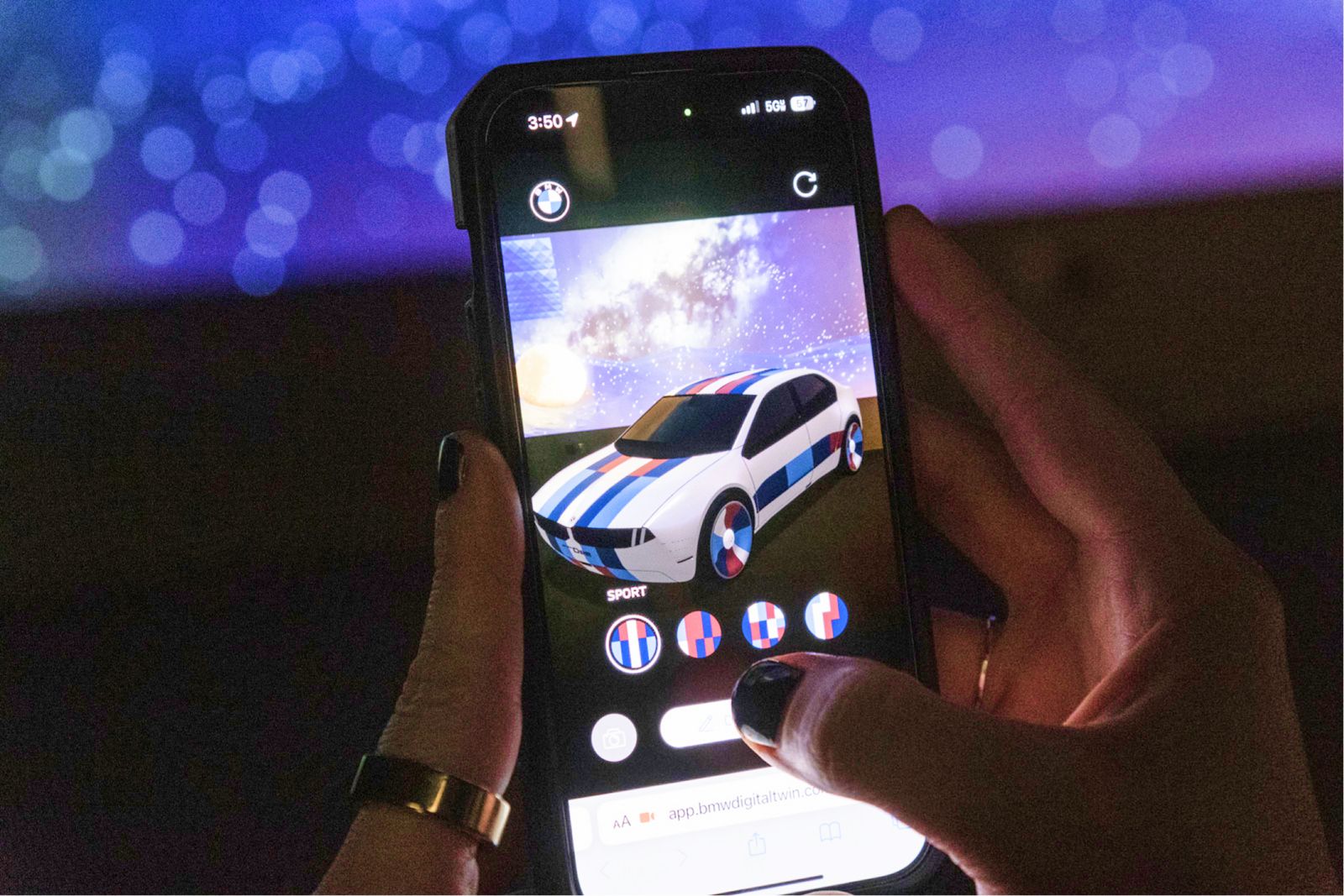
And because we work across multiple BMW Group brands—from Rolls-Royce to BMW to MINI—we also need to design within shared systems while expressing each brand’s unique identity. That’s not just a visual exercise—it’s about behaviors, tone, and user expectations. How does the same core system feel refined and elegant for Rolls-Royce, but playful and spirited for MINI? That’s where thoughtful design really comes into play.
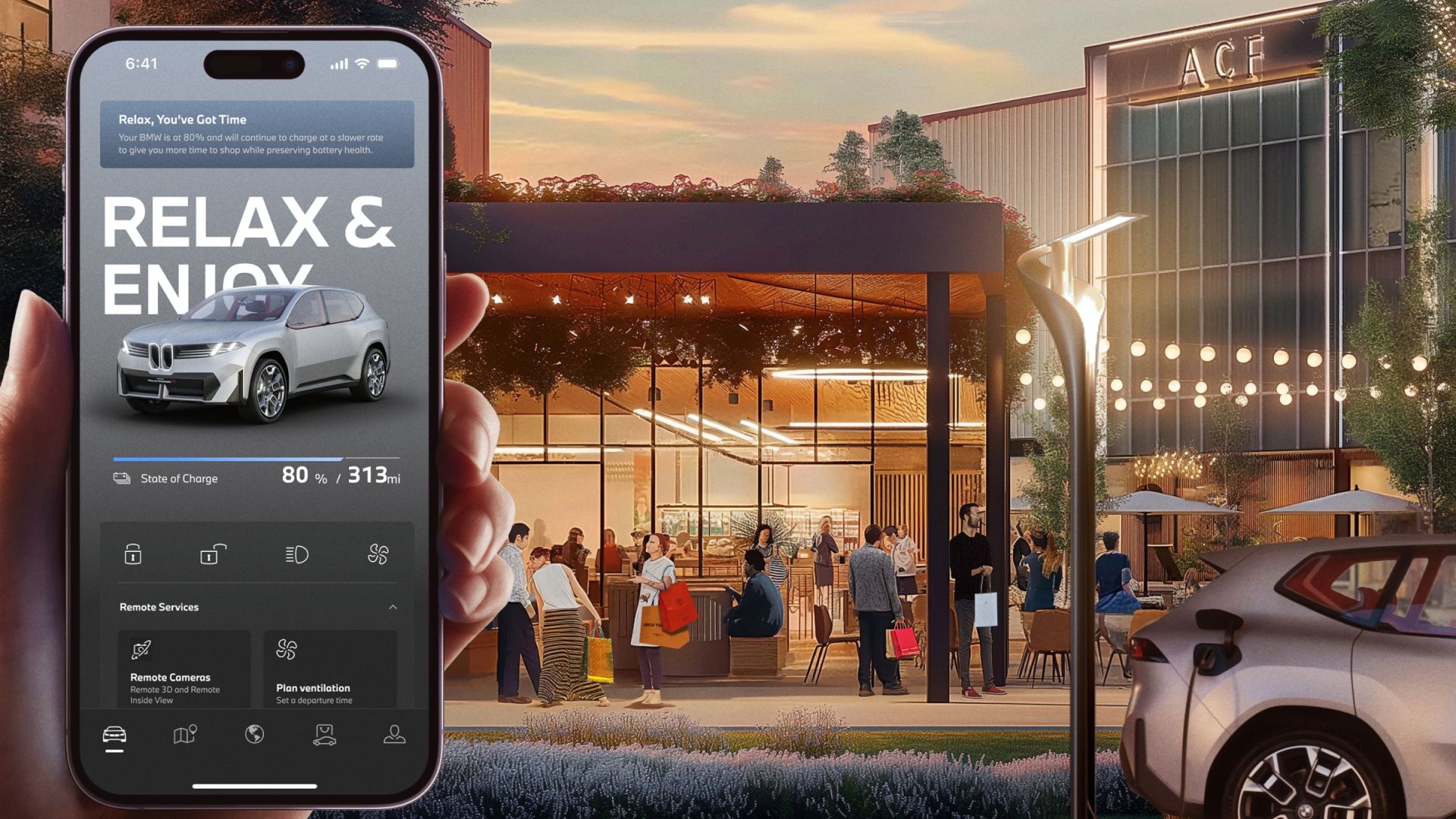 My BMW App
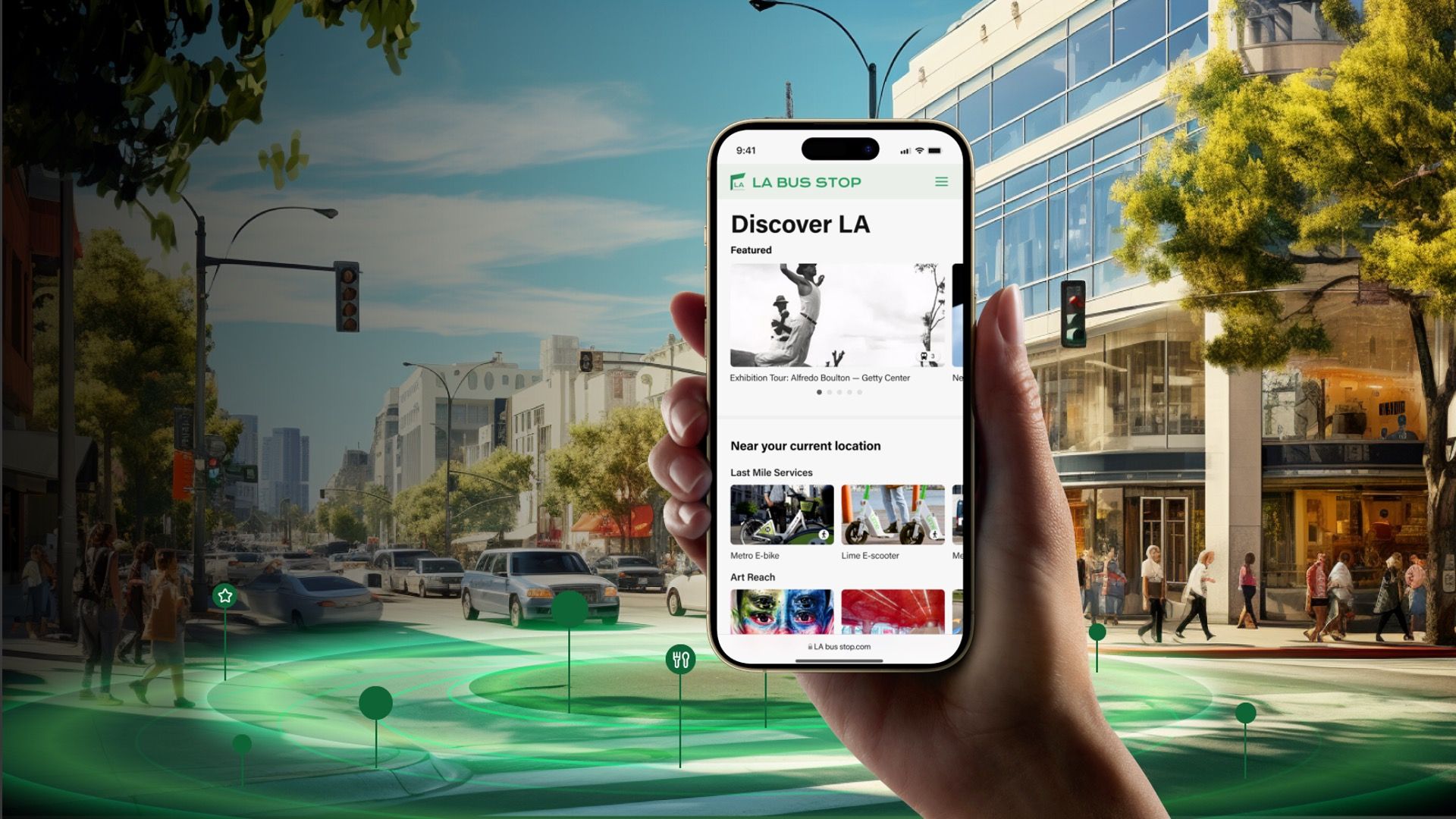 Sidewalk Transit Amenities Program App (In Progress)
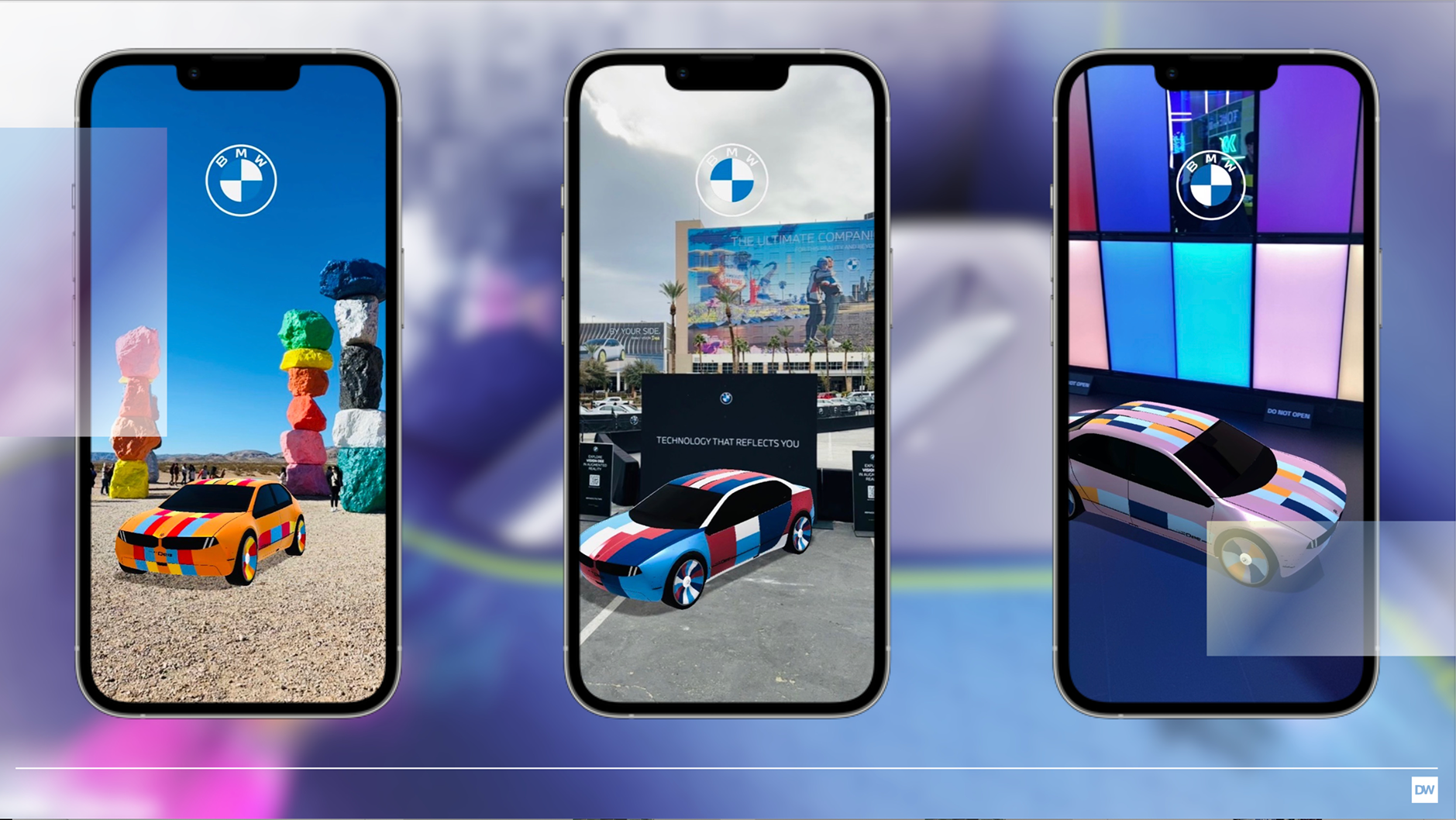 BMW Digital Twin App
One of our most recent projects is the upcoming companion app for LA’s new bus shelter program. What were the biggest design challenges with a project like this? What problems is this app solving for riders—and why was it so important to build a digital layer into the physical shelter experience?
The biggest challenge was designing for public, momentary, and often inconsistent contexts. Our riders span a huge spectrum of tech literacy—some don’t have smartphones, some rely on SMS messaging, and others only access the internet from a laptop at home. Many speak different languages and have unique mobility needs. So from the start, it was clear we needed to meet people where they are.
We began with immersion trips to observe real riders across LA’s diverse landscape. We saw mothers navigating transit with three kids, elderly riders who use wheelchairs or canes, people bringing bikes onboard, and commuters piecing together journeys across multiple modes—train to bus to rideshare. Every rider has a different starting point, a different set of needs, and a different level of access. So we built out a range of user journeys to better understand their pain points—and designed solutions to help ease the stress of navigating LA’s transit system.
At its core, this app is solving for uncertainty. Riders want to know: When is my bus coming? Is my stop safe? Is it operational? Is it accessible for me? Can I plan a full journey that accommodates my mobility needs? Our goal was to reduce that uncertainty by providing the right information at the right moment, so people can make confident decisions about their route.
As an app design agency, adding a digital layer to the physical shelter helped us create continuity across different rider touchpoints. Whether someone is using the app, relying on SMS, or just walking up to the shelter, they’re now getting consistent, real-time information. That means shorter wait times, less stress, and ultimately, a better experience. And at the heart of all of it, it’s about building trust and accessibility into our transit system—making it feel more human, more reliable, and more inclusive.
As technology continues to evolve, how do you see the role of app design shifting—especially when it comes to cities, mobility, and public infrastructure?
It’s something we’re already seeing in Los Angeles. When you think about how app design is evolving in cities, there’s a clear shift happening—from isolated digital experiences, often built separately by different agencies, to more connected, hybrid ecosystems that bridge the gap between physical and digital spaces.
In the past, you might’ve needed one app for the train, another for Greyhound, one for the bus, and a separate one for Uber. But moving forward, these systems need to become more integrated—more cohesive. I see app design playing a key role in helping cities stitch these experiences together into a unified, user-centered journey.
As an app design agency, we’re especially focused on how these connected systems can support more fluid, human-centered mobility. Especially for public infrastructure, we’re moving toward experiences that are built on real-time information—data that can adapt to the user’s context and even their behavior. So instead of focusing solely on creating polished, branded interfaces, the future is really about embedding the right services in the right places, in ways that truly make an impact for people.
Most importantly, the future of app design in this space needs to be more responsive, more inclusive, and accessible to everyone—not just people who are tech-savvy. That’s one of the exciting things about digital: it gives us a chance to democratize access to tools and services across a broader audience.
Looking ahead, with the rise of AI and AI agents, I see a future where digital experiences become increasingly personalized and contextual—tailored to the individual and their specific journey. That’s an exciting shift, and one that could make public infrastructure not only more usable, but more human.
Words by Charles Drueco, Creative Director, Interaction Design, Designworks LA
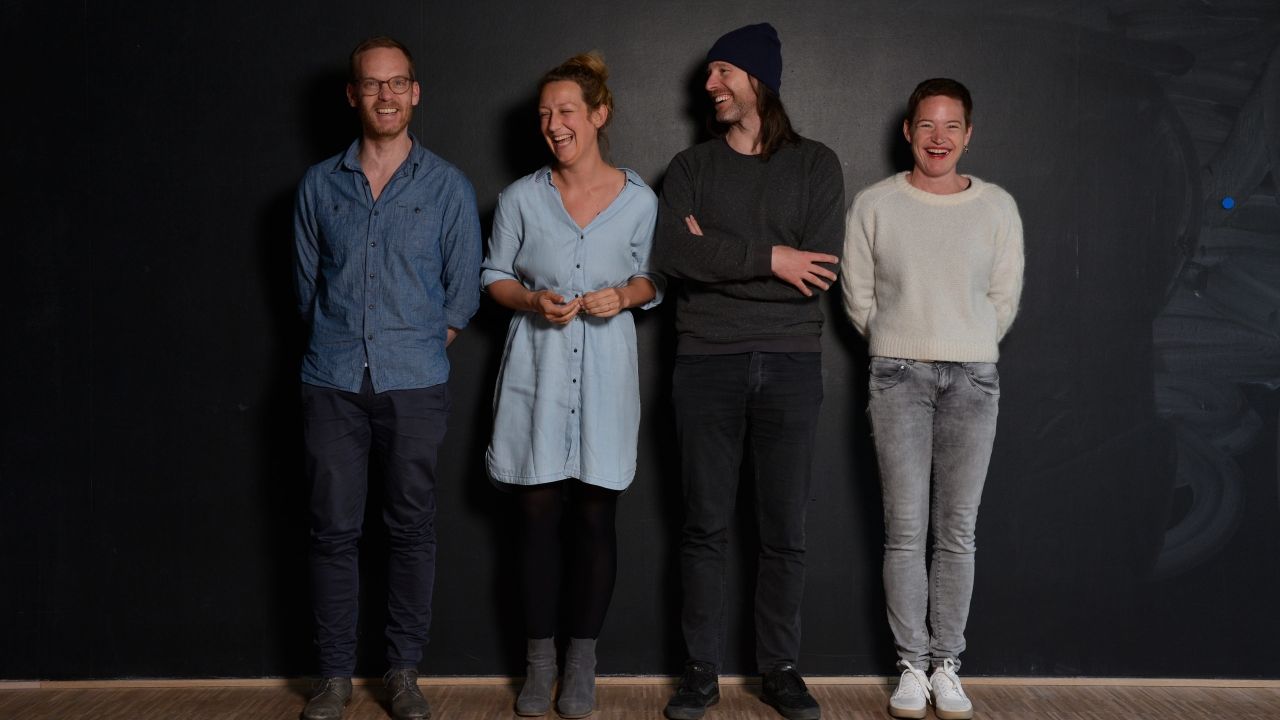
Interview by Heidi Tse, Visual Communications Intern, Designworks LA
Heidi is a student at New York University, studying Integrated Design and Media. She brings a hybrid background in engineering and creative storytelling to support strategic communication efforts at Designworks.