UX/UI Design Services That Go Beyond the Screen
At Designworks, interaction design is a core part of how we bring digital and physical experiences together. Whether shaping an app interface or redefining how drivers engage with an in-car display, our goal is always the same: to create experiences that are intuitive, meaningful, and deeply connected to a brand’s identity.
We sat down with Matthew Potter, Director of Interaction Design at our Los Angeles studio, to explore what this looks like in practice. From reimagining in-car displays to crafting experiences that reflect a brand’s personality, Matthew shares how Designworks creates thoughtful, identity-driven experiences that extend beyond the screen and define our UX/UI Design Services.
Before we even start, for those not familiar, can you define “interaction design” and what’s the difference between UI and UX?
Interaction design is all about shaping how people experience and interact with a product or service. It’s a broad discipline focused on how intuitive something feels, how easy it is to use, and how well it responds in the moment.
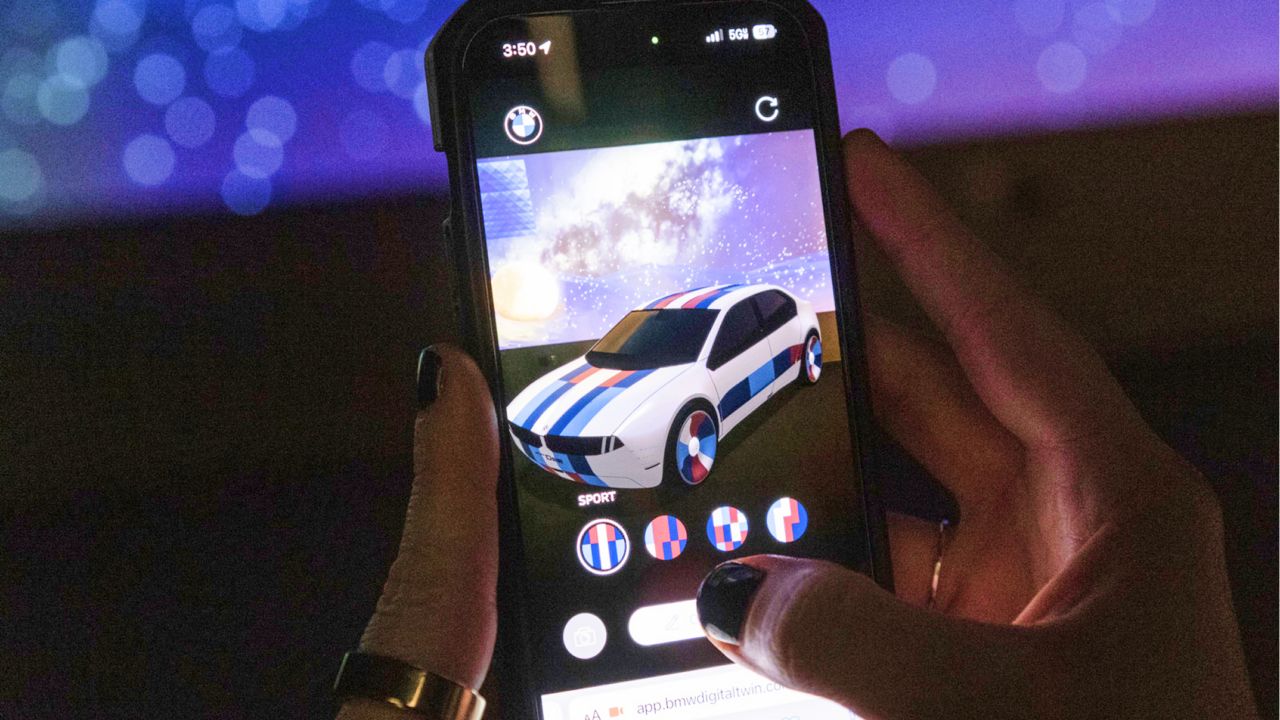
It’s not just about screens or digital products either. Interaction design spans both digital and physical realms. Much of the impactful work we do, like in our show cars with concepts like Interaction Ease, is about blending the two in a way that feels seamless and intuitive.
As for UI vs. UX, they’re closely related but distinct. UX, or User Experience, is about the full journey someone takes when using a product. If you’re designing an app, UX includes everything from the login screen to onboarding to what happens if someone forgets their password. It’s about structure, flow, and making sure the experience makes sense.
UI, or User Interface design, focuses on the actual touchpoints, so the look, feel, and behavior of things like buttons, animations, fonts, and feedback.
Think of it like a house or a car: UX is the architecture and layout. The functionality and flow. UI is the interior design: the colors, textures, and mood. UX makes sure it works; UI shapes how it feels.
What drew you to interaction design and how has your view of it evolved?
I got into digital design early—I had my own website in high school and interned at a startup around the same time. That contrast between digital and print immediately hooked me.
At ArtCenter, right after the dot-com crash, the web felt pretty limited and you needed Flash just to be expressive. But I kept leaning toward interactive work, even in branding classes. One early concept was smart wallpaper you could control by touch.
A pivotal moment came when an instructor told me, “Someone’s gotta show the world how to do good typography on the web.” That reframed the internet for me as a place where design could be elevated.
What kept me in UX/UI design services was the focus on usability. It’s not enough for something to look good—it has to work for people. That thinking led to more experimental projects too, like a prototype called the “Wishing Machine,” where users could whisper a wish into a vintage-looking mic and see it anonymously mapped across the city. It combined storytelling, interaction, and physical experience.
Then Apple came along with the iPod and redefined how interaction could feel. It wasn’t just functional, it was meaningful. That emotional layer is something I still carry into my work today, especially with brands like MINI and BMW.
Why do brands come to Designworks? What sets you apart from traditional UX/UI agencies?
Brands come to Designworks because we offer more than just clean interfaces—we design experiences that express identity. As part of the BMW Group, we’ve developed a deep understanding of how to build systems that not only work well, but also communicate a brand’s essence across every touchpoint.
We’re trusted for strong UX/UI design services. Crafting experiences that are clear, usable, and tailored to the right audiences. But what sets us apart is how we go beyond function to help brands define what makes them different. It’s not just about designing a touchscreen—it’s about designing YOUR touchscreen. What does it say about your brand? Does it convey innovation, trust, or emotional connection?
That thinking becomes especially important when a brand is expanding or entering a new space. We approach digital experiences with the same mindset our industrial designers use for physical materials: what feeling does this evoke? Is it premium, friendly, reliable?
We’ve helped shape core brand experiences for BMW, and we bring that same strategic lens to every client. Whether you’re designing an app, a display, or a connected product, we know how to translate brand DNA into a cohesive, ownable experience—both digital and physical.
Anyone can follow platform guidelines and ship a functioning product. What we do is help brands build experiences that stand out and that feel intentional, recognizable, and distinctly theirs. Think of the difference between Apple Music and Spotify: similar tools, completely different experiences. That’s where we come in with UX/UI Design Services built to reflect brand identity.
 MINI Display
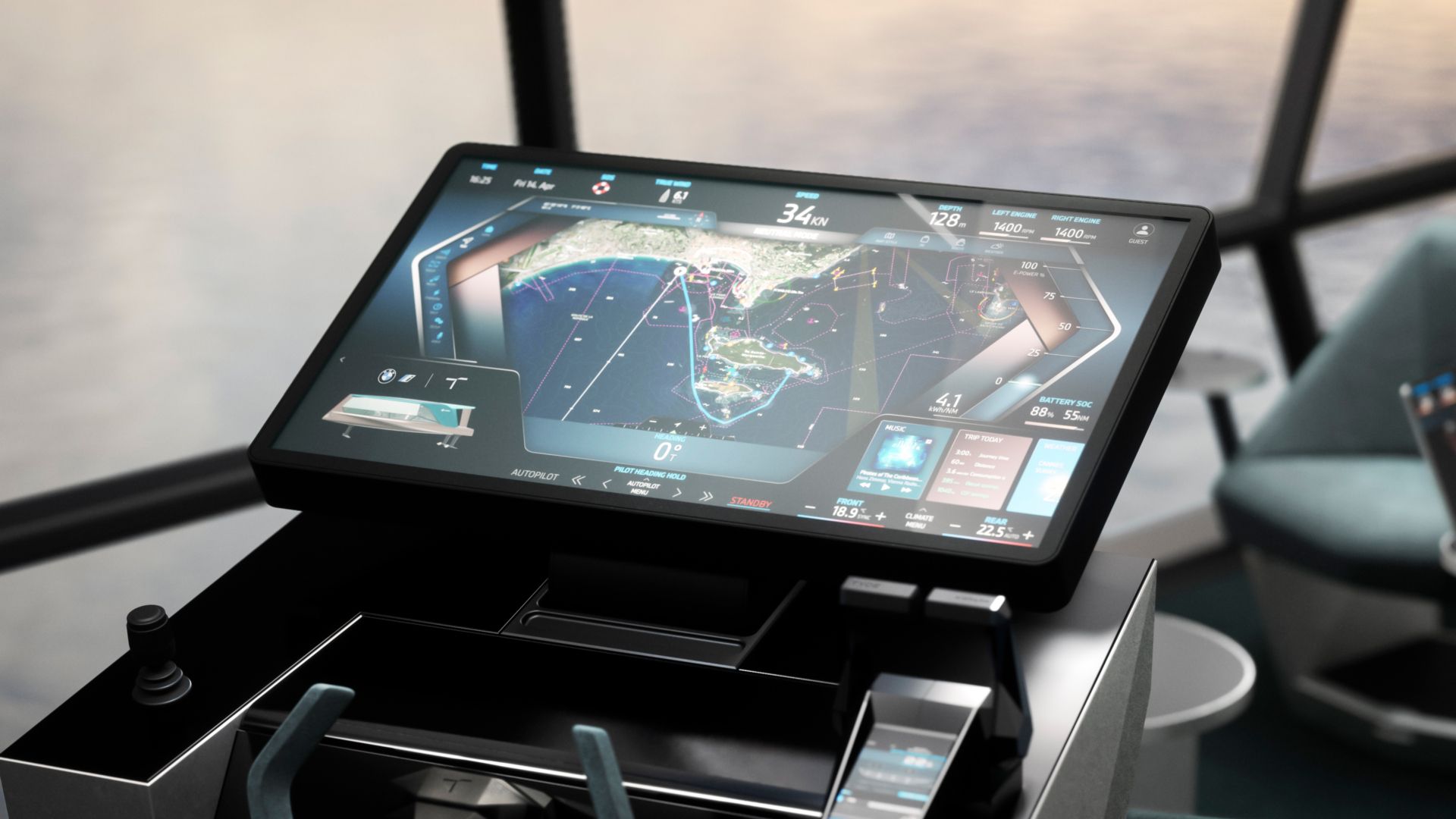 THE ICON Helm
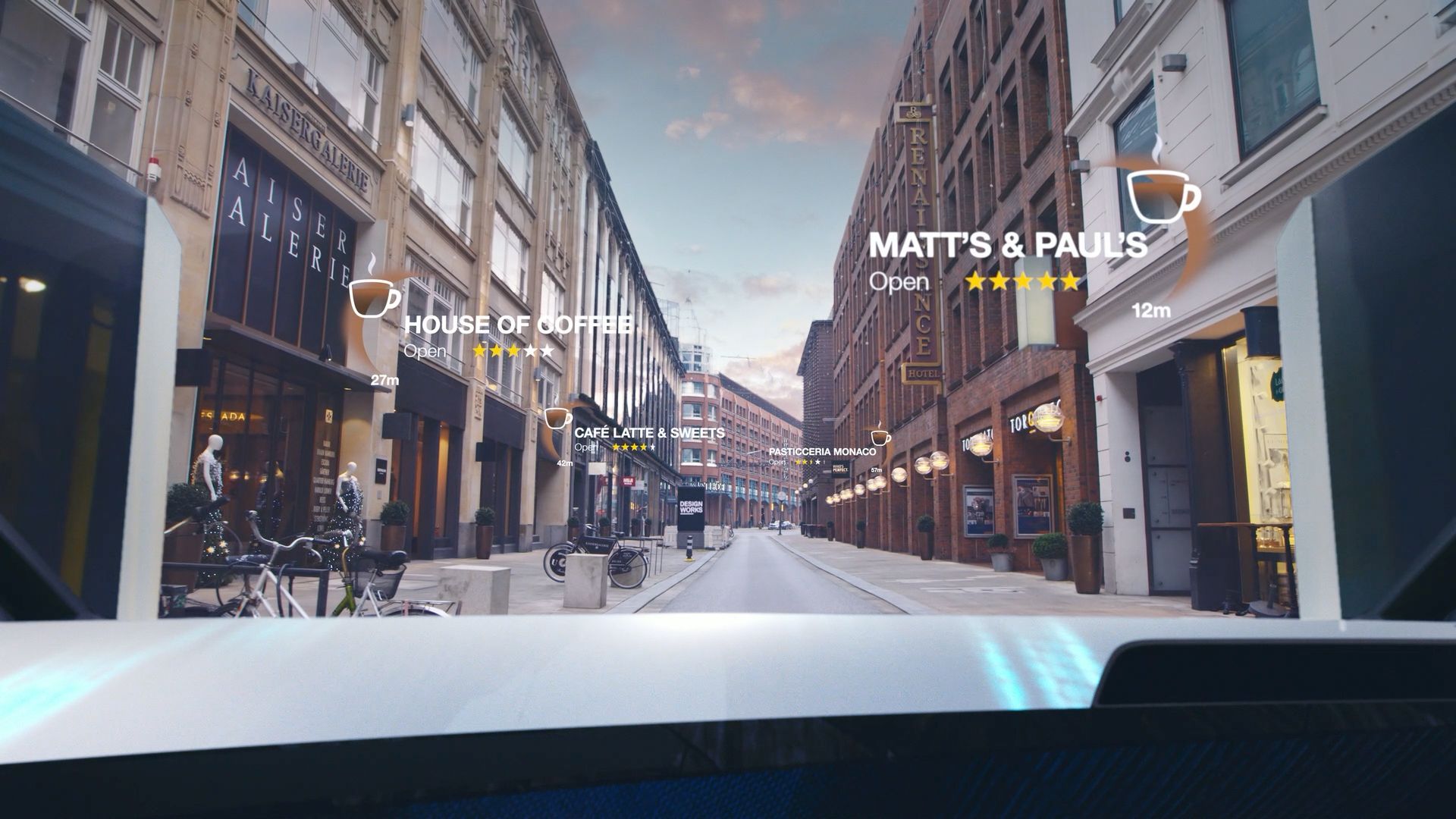 BMWi Interaction Ease
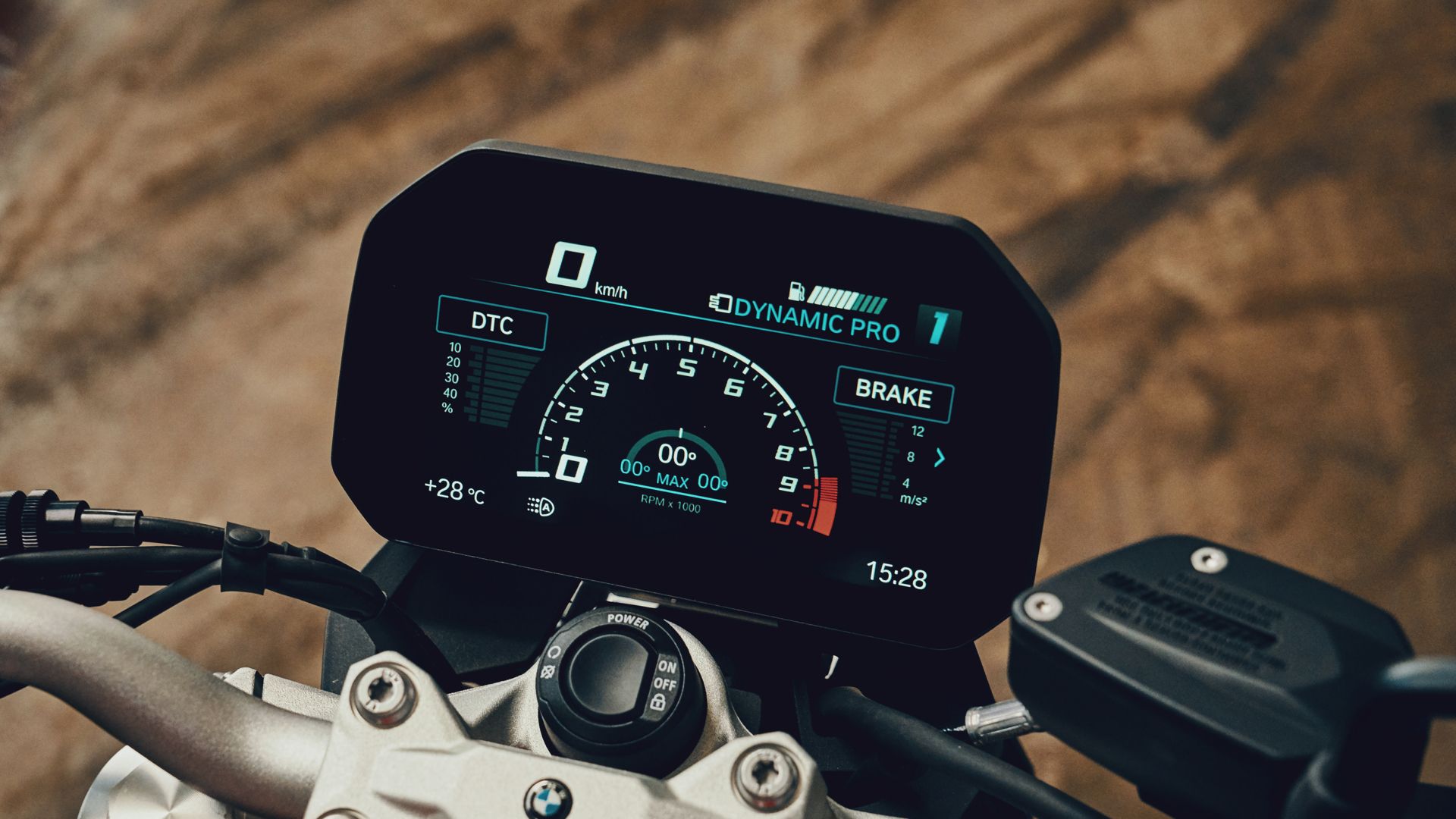 BMW Motorrad
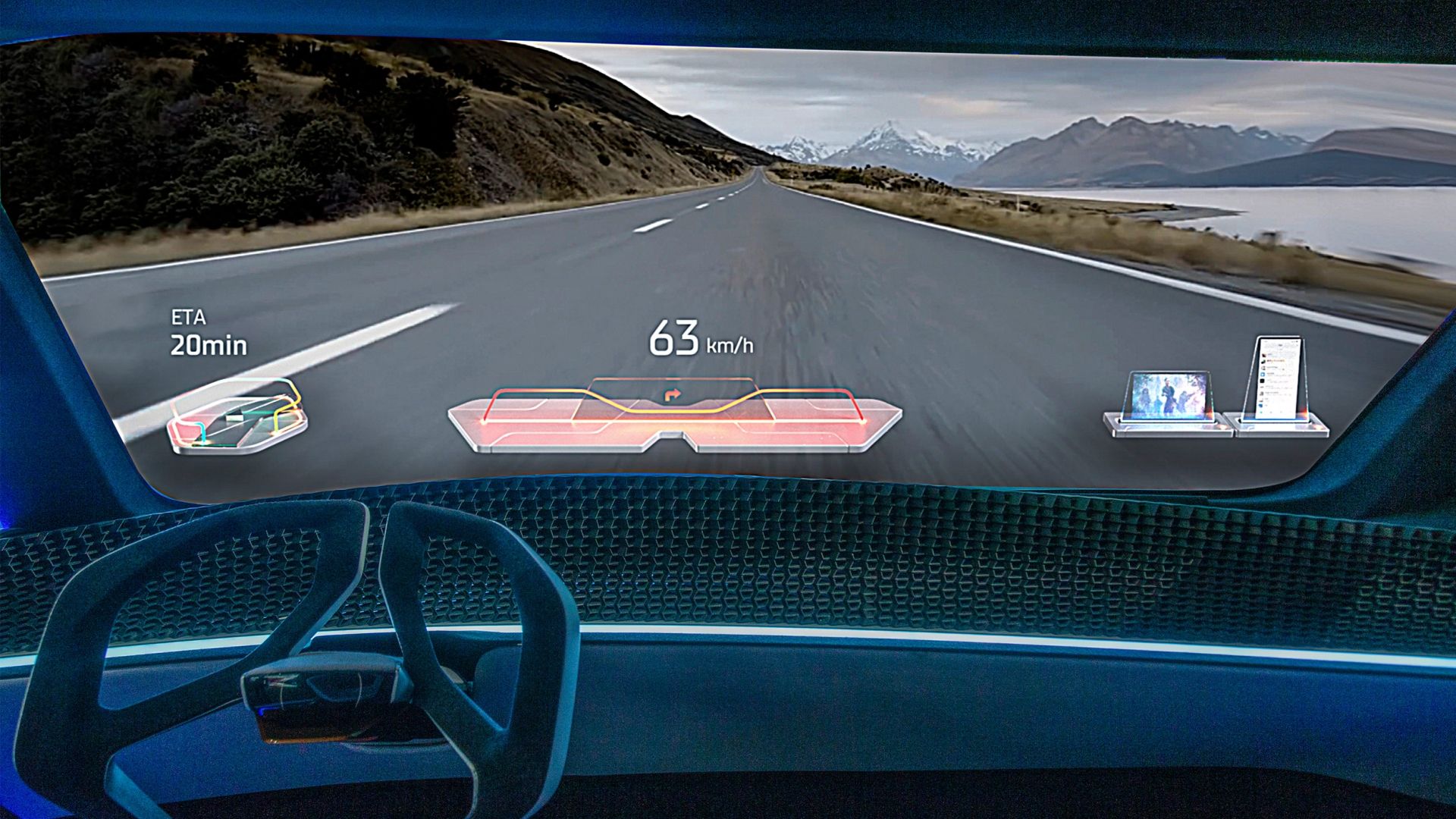 BMW China XC Interface
How do you tailor UX/UI design differently for a mobility experience versus a consumer app?
The biggest difference is context. With a consumer app—like shopping—you’re designing for convenience, broad usability, and flexible environments. But with mobility, especially something like a motorcycle interface, the stakes are higher. The user might be going 30+ mph, so clarity, speed, and minimal distraction are critical.
For example, when we worked on BMW motorcycle gauge clusters, we researched different rider types—adventure, cruiser, sport—and tailored the interface to each. A cruiser might want big, relaxed gauges; a sport rider needs dense, glanceable data like tilt angle or tire pressure, delivered in real time.
Consumer apps are broader—you’re designing for more diverse use cases and environments. A shopping app, for instance, needs to work across platforms and bridge digital with physical habits—like scanning in-store, ordering at home, or picking up curbside.
But in both cases, there’s always a brand layer. Whether it’s a bike display or a mobile app, you’re shaping how the brand greets the user, guides them, and leaves an impression. Micro-interactions matter. Ultimately, the goal is the same: create a thoughtful, cohesive, on-brand experience—no matter where or how it’s used.
How did you approach the challenge of evolving MINI’s brand identity through interface design?
With the MINI circular display, the biggest challenge was balancing UX, design, and technology. We had a strong vision early on, but the technology was not there yet. Some of the features we imagined could not be fully realized until the hardware caught up, which is part of why it took so long to reach market.
Much of the process involved working closely with the MINI team to define what a circular display should feel like and what would make it distinctly MINI and meaningful for drivers. Even early on, we had compelling ideas, but functionality was limited.
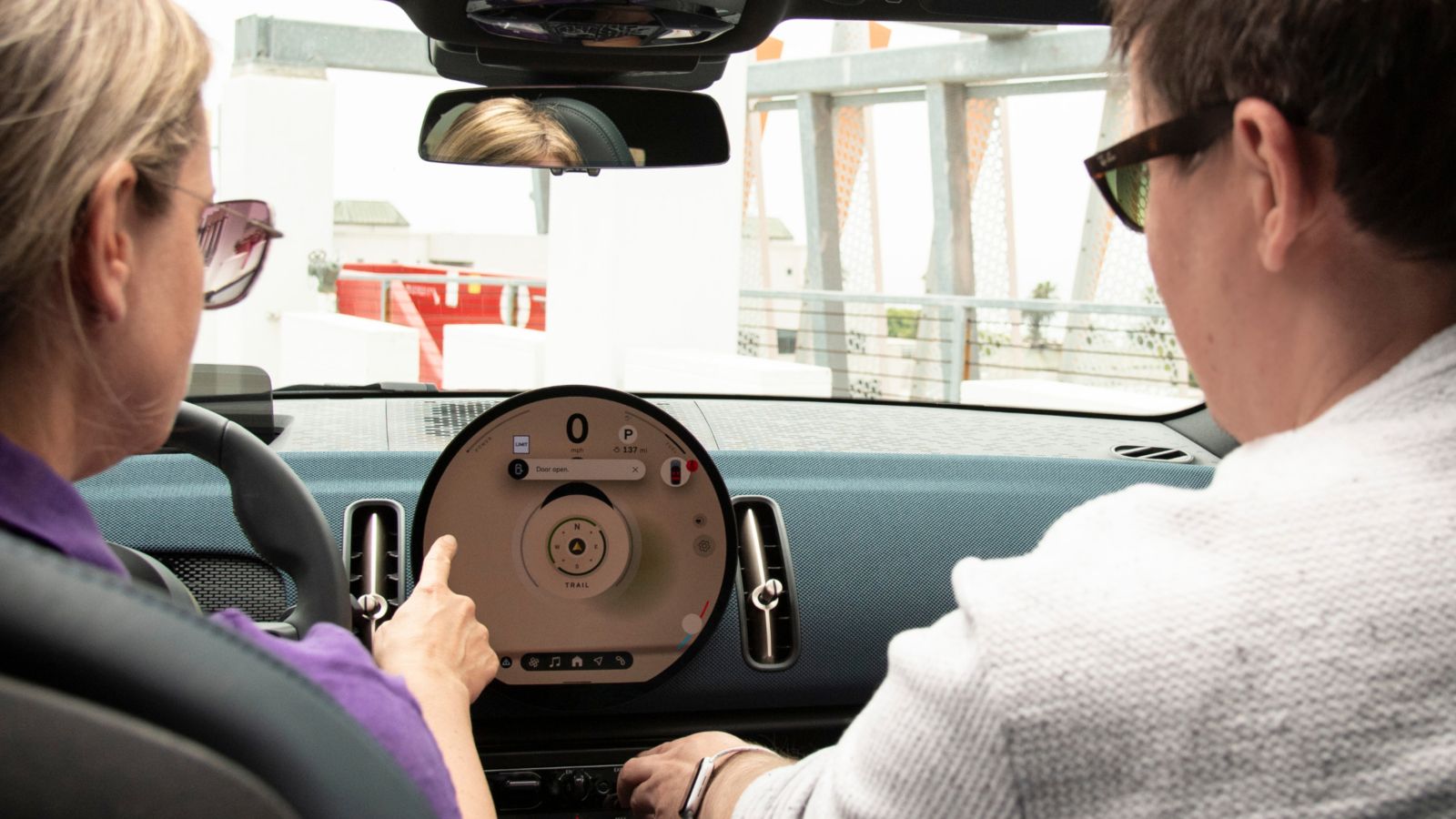
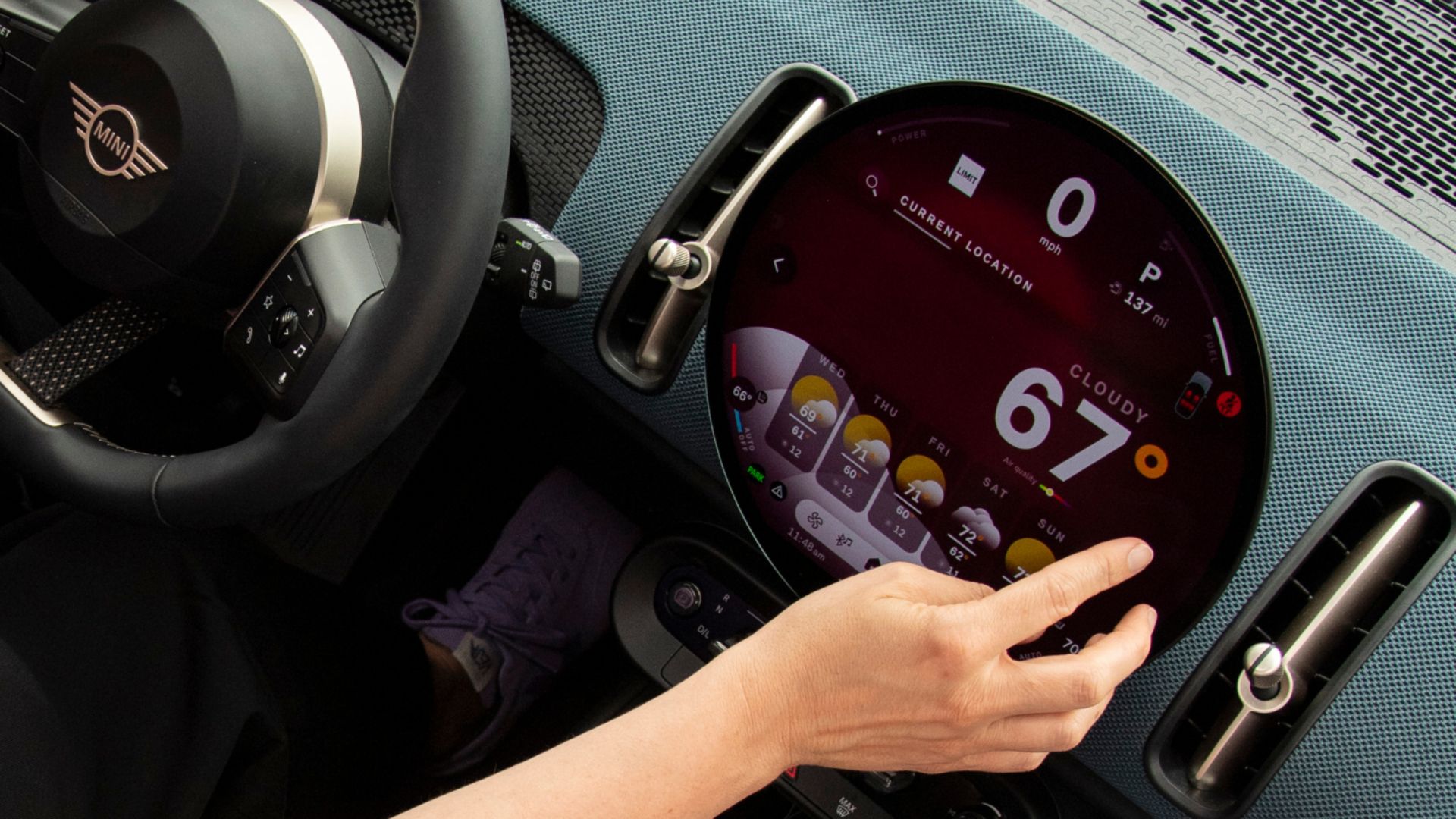
What made the project so interesting was how the display itself became the experience. A fully round screen in the center of a car is unique, so we chose not to overdesign around it. The form set a high bar, and we wanted the UI to feel simple and refined, allowing the hardware to speak for itself.
We were also intentional about respecting the circle. Instead of forcing rectangular UI patterns, we leaned into the geometry, such as using a radial gesture for climate control. The goal was to make content feel harmonious with the shape rather than at odds with it.
One enjoyable challenge was figuring out how third party apps, including Spotify and Android Auto, could adapt to the round layout. Surprisingly, much of it translated well, as long as we kept things clean. Our role was to help MINI bring familiar digital experiences into this new format in a way that felt native and intentional.
Designworks played a key role in developing the MINI Circular Display, what does the MINI Circular Display represent in terms of Designworks’ approach to innovation and identity-driven design?
The MINI Circular Display is a great example of how we translate a brand’s essence, what we call “MINI-ness,” into a user experience. It is not just about the technology or the screen, but about capturing the feeling of the brand. For MINI, that meant fun, charm, and effortlessness, not a sea of controls, but something simple, iconic, and approachable.
Our goal was to streamline the interface so it felt clean yet full of character. The circular display became a bold canvas for that vision, distinctly MINI while remaining intuitive and light.
This is where Designworks UX UI Design Services truly shine. We do not build technology for its own sake. We focus on what it means for the brand, the user, and the emotional connection to the product. Innovation, for us, is about creating systems that reflect customer behavior, brand values, and real world context, so every interaction feels intentional and identity driven.tity-driven.
Looking ahead, what excites you most about the future of UX/UI design—and where does Designworks fit in?
I am excited by how accessible prototyping has become, especially when it comes to blending digital and physical experiences. What once required large teams can now be achieved with open source tools and microcontrollers. I even have a DIY e ink display by my door showing the weather, something that would have been unthinkable to build on my own not long ago.
As tools become easier to use, experiences become more complex. That is where Designworks plays a critical role. We help ensure that digital and physical elements come together in a way that feels seamless, thoughtful, and human.
We are already seeing this with BMW, from vehicles that evolve through software updates to systems designed to grow with users over time. We are also working across teams to rethink products not as isolated touchpoints, but as unified experiences that adapt and respond.
With augmented reality, mixed reality, and artificial intelligence gaining traction, we are entering a future where interfaces become contextual and personalized layers on top of our physical environment. The potential is enormous, but it takes strategy and design discipline to make it all feel intuitive. That is where we come in, and why more brands are turning to Designworks for UX UI Design Services that go beyond the expected.
Words by Matthew Potter, Director of Interaction Design
Matthew is the Director of Interaction Design in the LA studio. Together with his team, Matthew works on interdisciplinary projects in the area of user experience as well as tangible and graphical user interaction.
Interview by Heidi Tse, Visual Communications Intern, Designworks LA
Heidi is a student at New York University, studying Integrated Design and Media. She brings a hybrid background in engineering and creative storytelling to support strategic communication efforts at Designworks
Related