Why Every Brand Needs a Digital Designer in Today’s Connected World

At Designworks, interaction design bridges the physical and digital—extending real-world experiences into digital touchpoints. The focus is always on creating interactions that feel natural, personal, and deeply connected. As design increasingly shapes how people experience brands, the role of digital design has become essential across every industry.
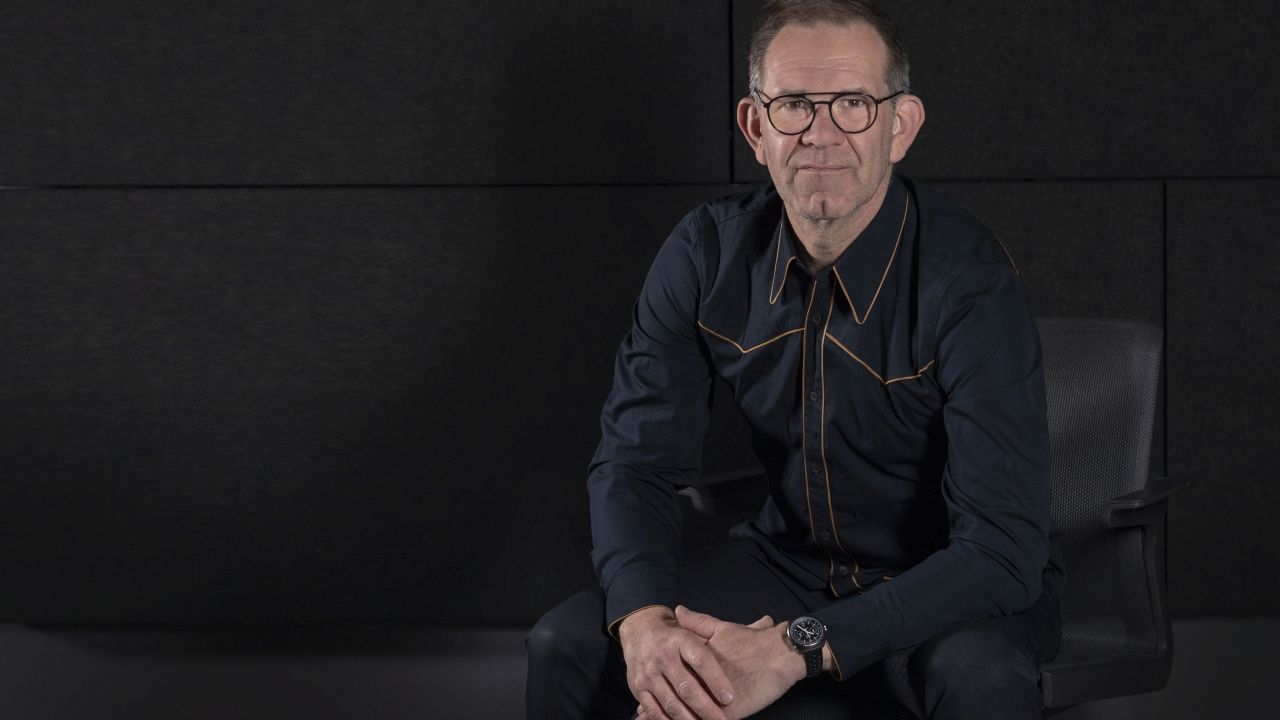
In this interview, we speak with Christine Wei, Interaction Designer at Designworks, to hear her perspective on why digital design is at the core of modern brand experiences. She shares how she approaches blending the physical and digital, why keeping human connection at the center of technology is key, and what the future of interaction design might hold.
In your career, what drew you to design digital experiences versus physical products?
Rather than seeing digital and physical products as separate, I’ve always been drawn to the space where they overlap—the “phy-gital” world where real-world interactions extend into digital experiences. I’m fascinated by how we can integrate technology naturally into our lives without losing emotion, warmth, or human connection.
I like thinking about how a digital experience can enhance something in the physical world, and how our physical lives can, in turn, flow into the digital space. Today, digital design plays a huge role in shaping how people connect—whether that’s with brands, with each other, or with information. Because so much of our lives now happens online, I think it’s essential to design digital moments that are smoother, more meaningful, and still deeply human.
Let’s talk impact: How would you define the role of a digital designer in today’s increasingly digital landscape?
Because so much of our lives now happen online, digital designers aren’t just building products—we’re shaping the relationship and experience people have with technology. We’re bridging and sometimes blurring the lines between the digital and physical worlds.
I think every brand and product will need a digital designer moving forward, because design will only become more integrated across both spaces. It’s essential to design experiences that connect our online lives with our offline ones in meaningful ways. For me, it’s important to remember that at its core, good design reflects who we are. No matter how much technology evolves, we have to keep human connection and emotion at the center of what we create.
As you design across both physical and digital touchpoints, how do you ensure the experience remains human-centered (thinking about natural user interface, and other potential for interaction)—and how has your approach to user experience evolved in the process?
For me, it always starts with research—observing real behaviors, asking the right questions, and staying curious about the “why” behind user needs, whether it’s a digital touchpoint or something more physical. I aim to design experiences that feel intuitive and grounded in real behavior, making sure they work in different contexts and still feel natural. That means letting the user lead the experience rather than forcing them to adapt to the product.
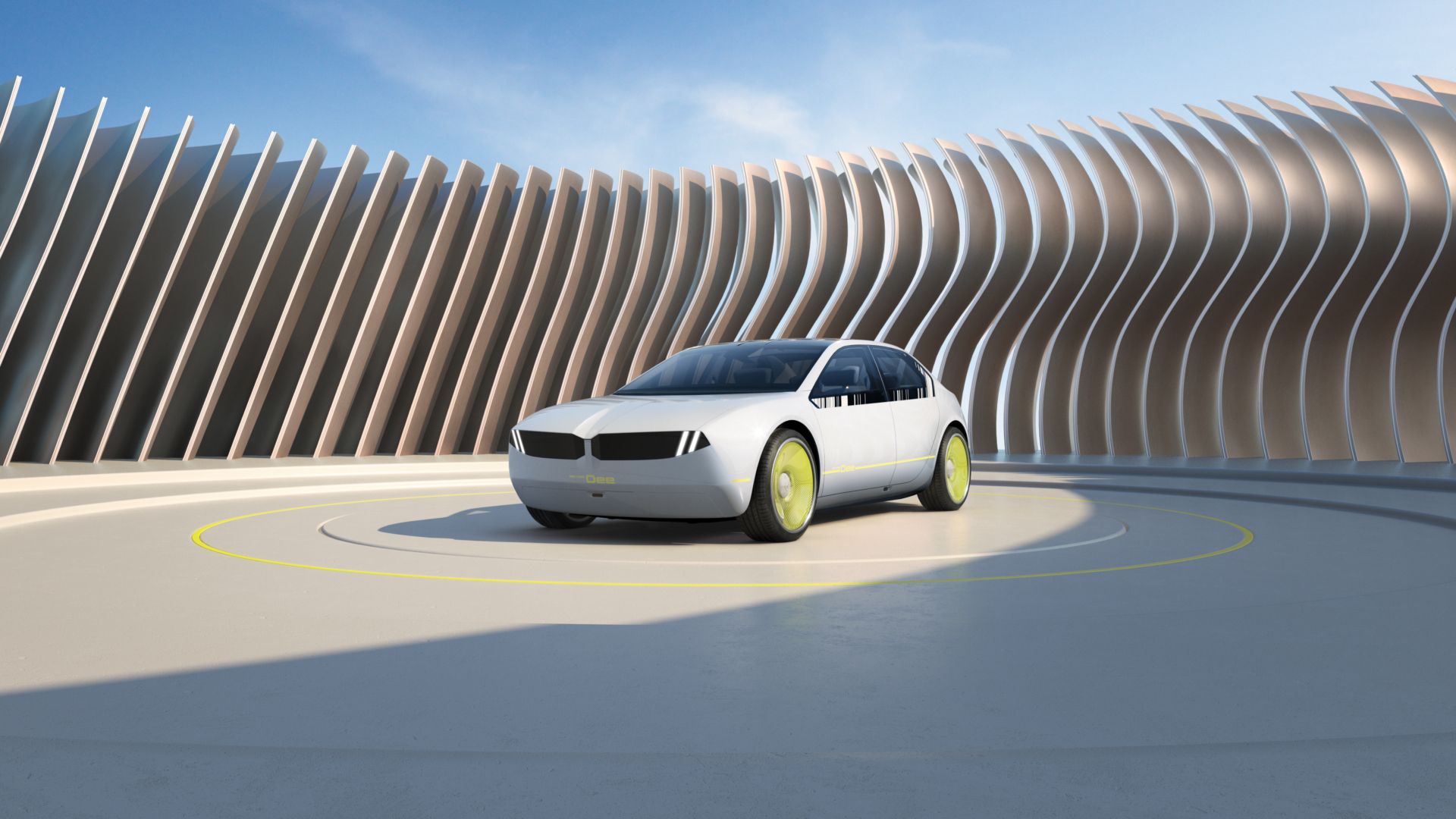
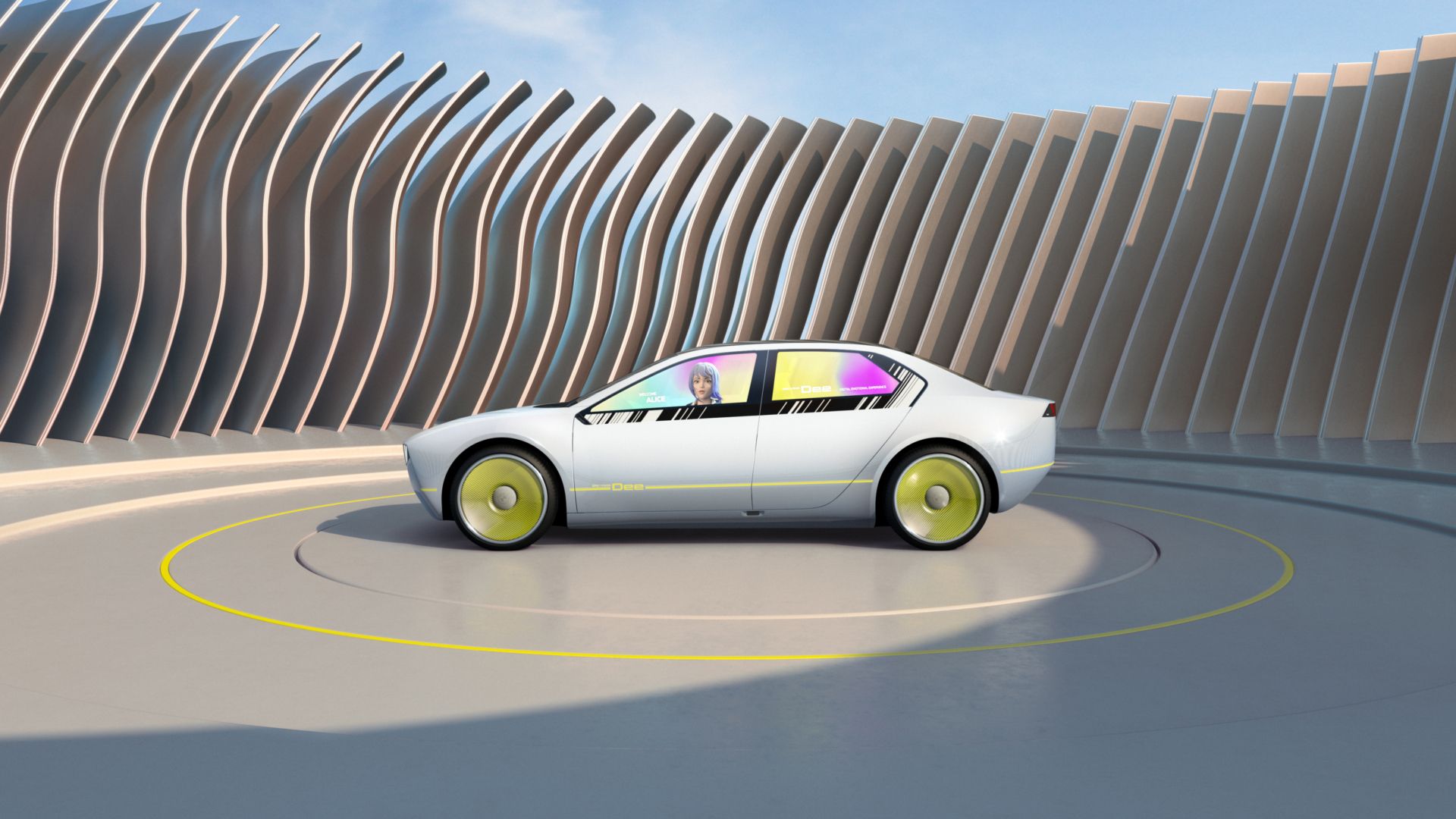
For example, with the CES Vision Dee project -the color-changing car that reflects its environment- I worked on an app where users could scan a QR code to access an AR experience with a 3D version of the vehicle, spin it around, change the colors, and even take a picture so the app could extract the main colors from the image and apply them to the car. It was a way to connect the physical and digital worlds seamlessly, making the interaction personal and engaging.
I think this reflects where design is headed—everything is becoming more personal, with the user leading the product experience. The goal is to create products that integrate naturally into people’s lives, rather than asking people to adapt to the product.
Can you talk about how you think about AI as a digital tool but also as a digital product? Are there future user experiences you’d like to see more of in terms of integrating AI?
As a tool, AI is great for speeding up research and exploring initial concepts. But as a product, it’s really about trust and clarity—designing experiences that help people feel confident and in control when interacting with AI.
In the future, I’d love to see AI become more intuitive, emotionally aware, warm, and contextual—more like a smart companion than a mysterious “black box.” The challenge is that when we try to make AI feel human, it can sometimes come across as awkward or forced. But AI is evolving so quickly that I think we’ll get to a point where it feels natural—like interacting with a companion rather than a robot.
Why is Designworks the agency of choice for brands looking to create digital experiences and products – in your words, what sets us apart?
Designworks strikes a balance between creativity, strategic thinking, and hands-on craft. We’re not just creating cool visuals—we’re building ecosystems and solving real problems. What stands out to me is how deeply we dive into both user needs and client business goals, connecting the dots in ways that are bold yet grounded.
There’s also a high level of collaboration in the studio—across disciplines, industries, and regions—which often leads to unexpected and distinctive outcomes. Our connection to BMW gives us a broader understanding of large-scale ecosystems and how to design within them. We also use tools like Midjourney and other AI platforms to accelerate early ideation—not to define final outputs, but to spark ideas, explore possibilities, and move research forward quickly.
As someone who does this everyday, why is good digital design essential to a successful brand or product experience?
I think good digital design is essential because people don’t just buy products anymore—they experience them. Great design builds trust. It makes people feel like they’re in the right place and that the brand has truly considered their needs.
When done well, design allows technology to fade into the background so users can focus on what they actually came to do. It makes technology feel integrated and invisible, not like an obstacle. At the end of the day, design is what connects someone to a product, and if that experience isn’t considered, it can easily break.
Take the Nest thermostat, for example—it adapts to our habits and works seamlessly in the background. We don’t actively think about it, but it’s always there, improving our comfort. That’s the power of thoughtful design: technology that disappears into the experience while still making our lives better.
Words by Christine Wei, Interaction Designer
Christine is an Interaction Designer at Designworks, where she shapes seamless experiences across physical and digital touchpoints. She has collaborated with brands within the BMW Group as well as external brands, bringing together creativity and strategy to craft meaningful interactions that blur the boundaries between the tangible and the digital.
Interview by Heidi Tse, Visual Communications Intern, Designworks LA
Heidi is a student at New York University, studying Integrated Design and Media. She brings a hybrid background in engineering and creative storytelling to support strategic communication efforts at Designworks